
Event Production
Forest Rave Production – Lessons Learned
Jun
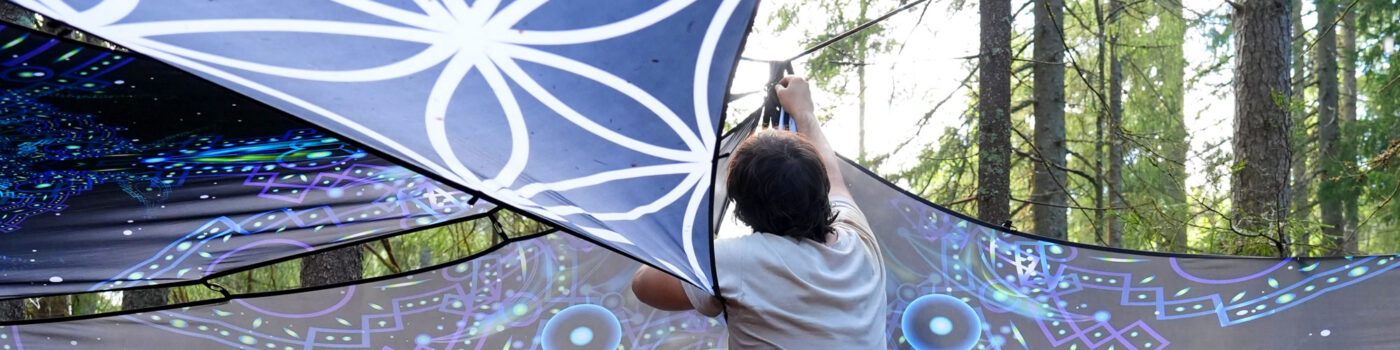
A couple of weeks ago, I was helping my partners organize a small forest rave.
It was a pretty intense experience 🙂
The guys had been running parties in clubs for years, but this was their very first outdoor event. I didn’t know that, so I expected everything to go smoothly. I was used to working with teams in Russia and Israel that had a lot of experience with outdoor events.
After spending 4 days building, running, and taking down the event, I learned a few important lessons that I want to share with you.
Don’t Bring Too Much Stuff
Start with the simplest version of your event and make sure you have enough volunteers.
Offer people good reasons to help, such as free entry, food, water, or some merchandise.
Some of our volunteers dropped out before the event. By the end of the fourth day, we were completely exhausted. The party itself took place during the night between day 3 and day 4.
Plan Your Logistics

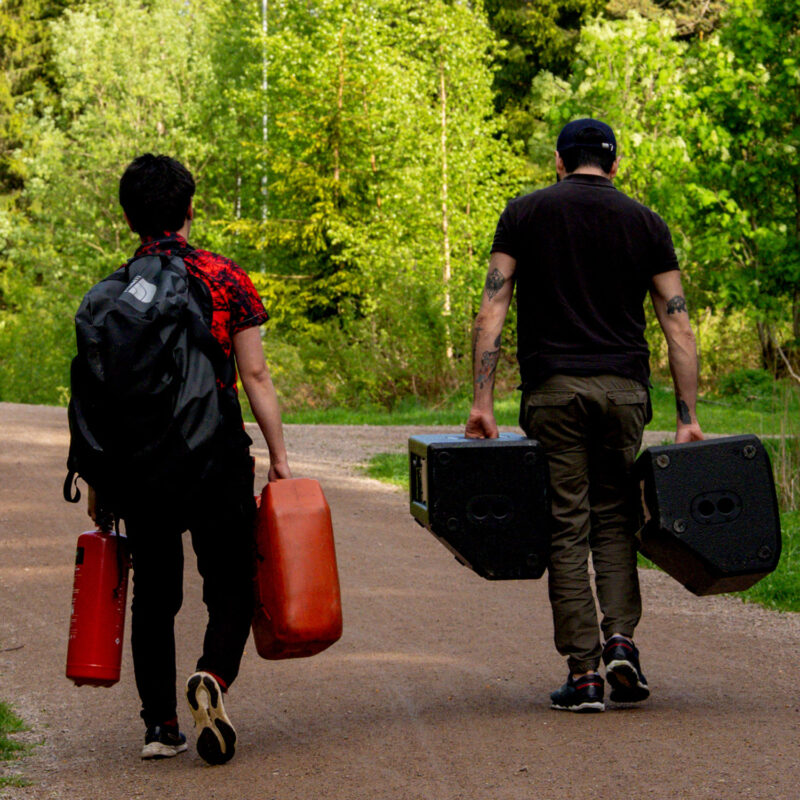
Think carefully about how you will move equipment from the cars to the event location.
If the distance is too long, bring enough carts or trolleys.
We had one trolley, but it wasn’t enough. It was especially difficult to roll it over tree roots in the forest.
Camping Matters
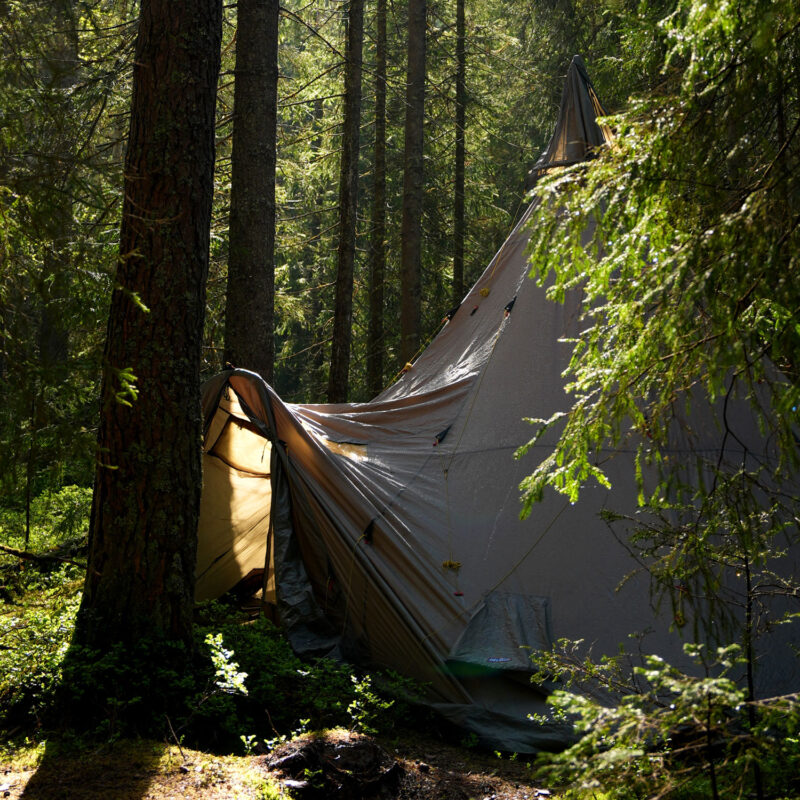
If you are staying at the location for more than one day, make sure you bring enough tents and sleeping gear.
Large community tents can often work better than several small personal tents.
Create Chill-Out Spaces
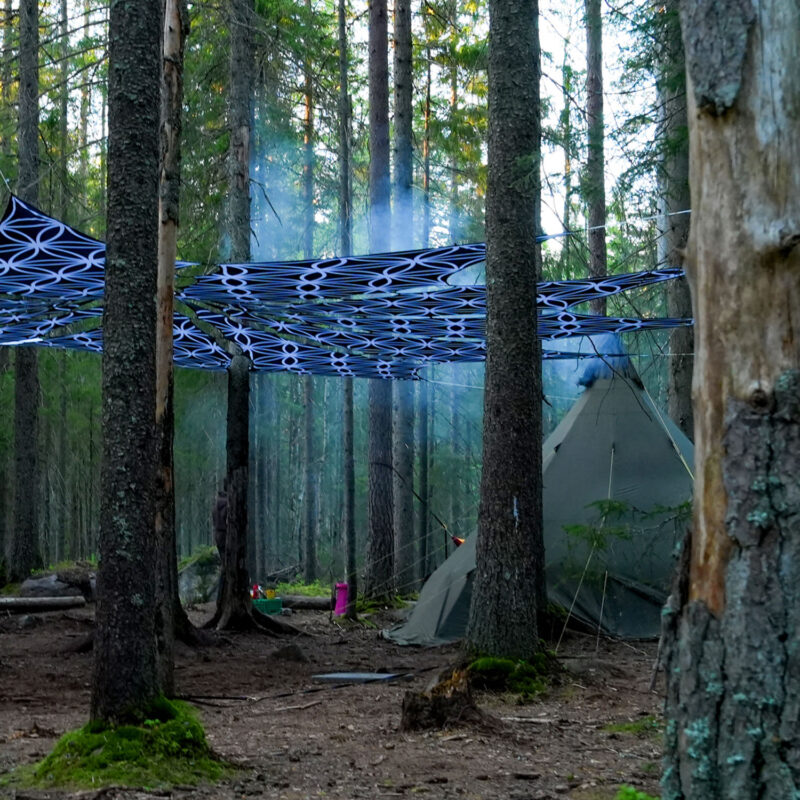
We had three community tents.
One was used for sleeping, one was part of the DJ booth, and one was a chill-out space for guests.
If it rains, these spaces can be a lifesaver. Depending on the tent size, they can fit anywhere from 5 to 20 people.
Stay Warm
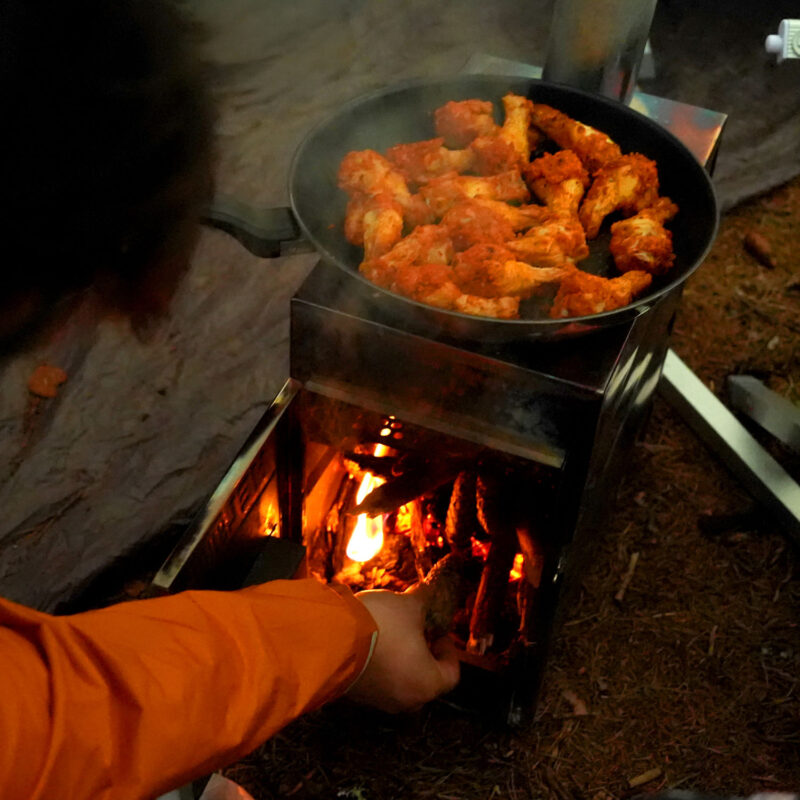
If the weather is cold, think about using a small metal stove inside a community tent.
In many forests, open fires are not allowed.
Before using a stove, make sure you check local rules and regulations.
Water Is Heavy
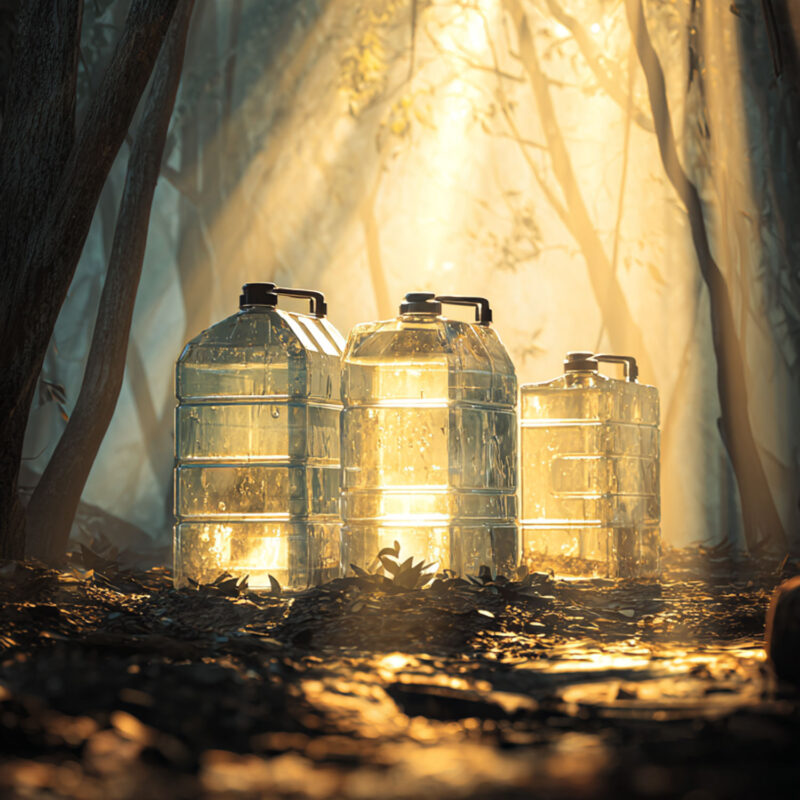
Always tell your guests to bring their own water unless you are sure your team can carry enough for everyone.
Moving large amounts of water can take a lot of time and energy.
Make Sure Everyone Has a Job
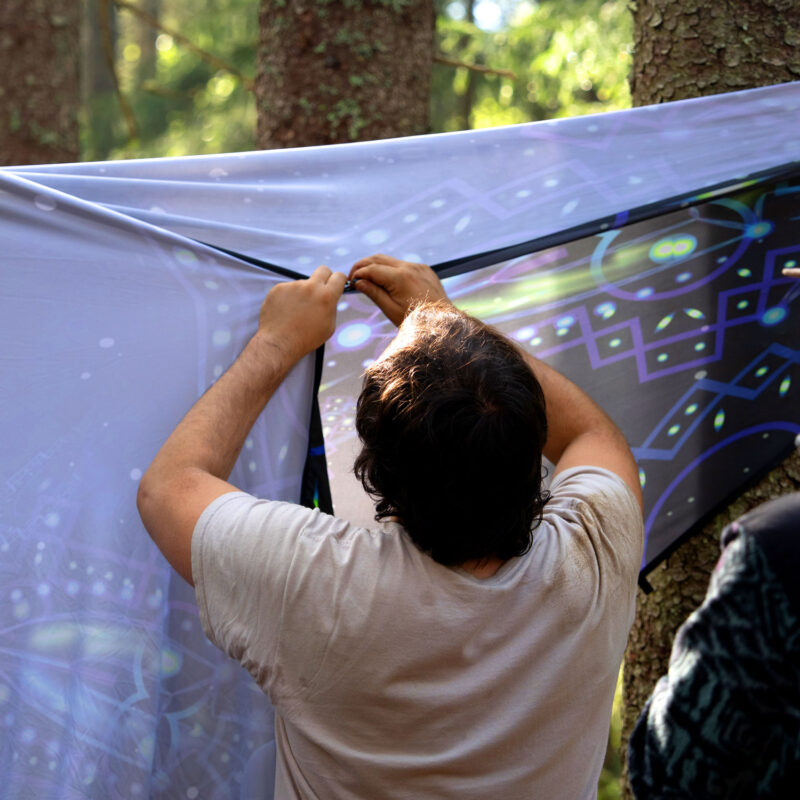
We were lucky enough to get access to some lasers and a projector.
The problem was that by the time the party started, everyone was so tired that nobody had enough energy to run them.
Make sure each important task has a person responsible for it. Try not to overload them with other work before the event begins.
The Main Lesson
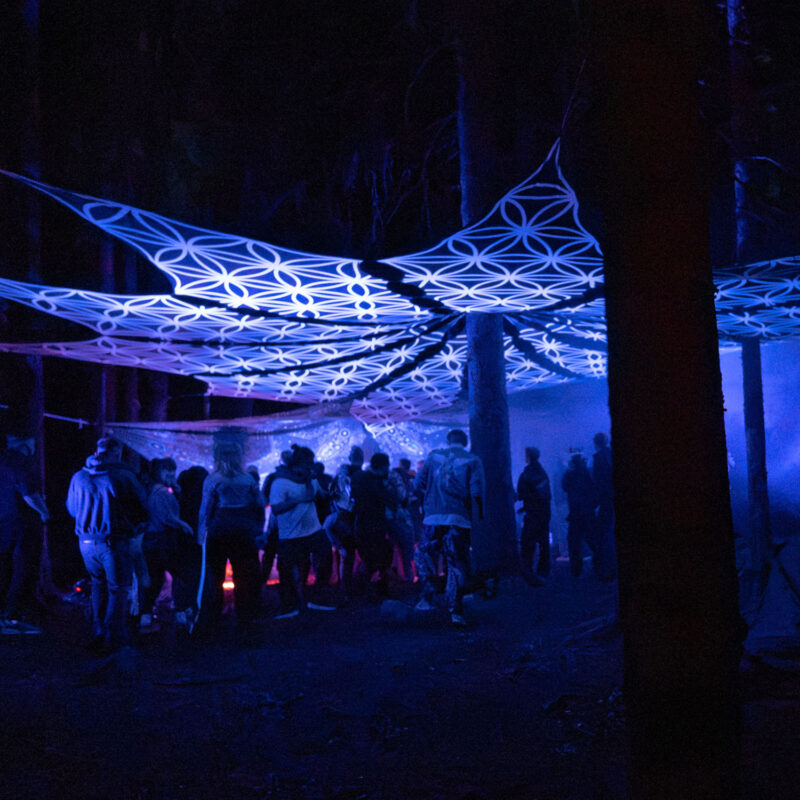
The biggest lesson from this experience was simple:
Spend more time planning and building the right team.
It sounds obvious, but sometimes you only truly understand it after things go wrong.
I hope these lessons help you avoid some of the mistakes we made 🙂
