Event Production
More Lessons From A Forest Rave Production
Jun
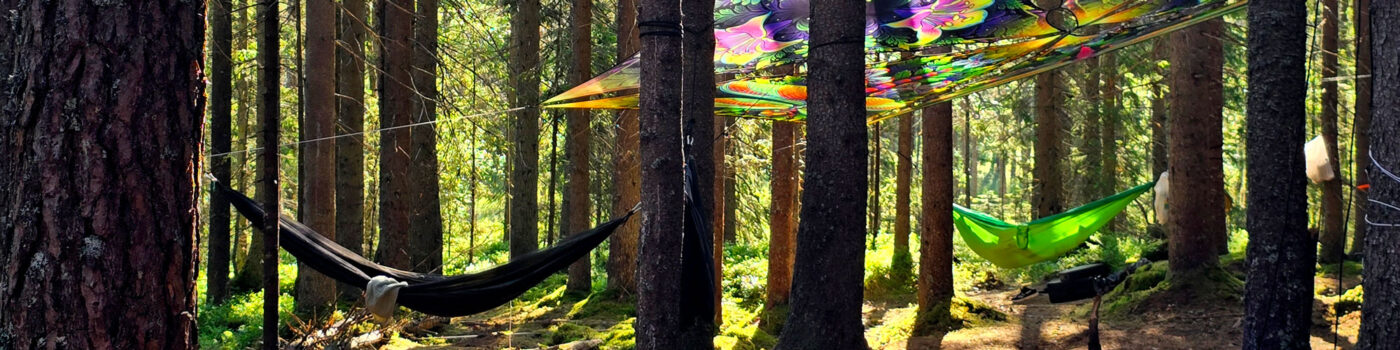
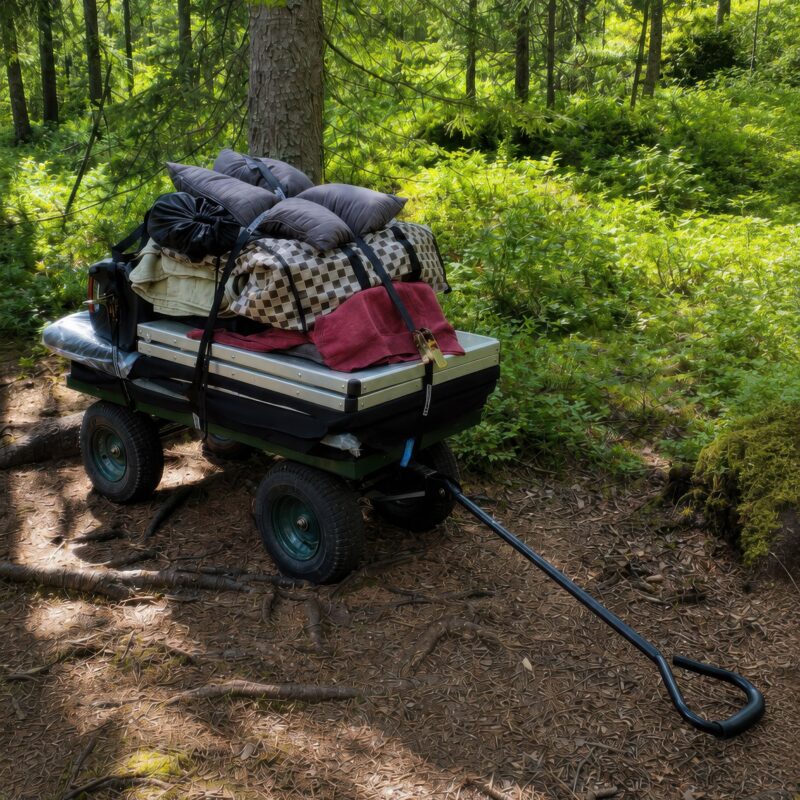
I recently came back from another three days in a forest, helping my partners run a two-day event – techno on the first night and drum and bass on the second. There was definitely progress compared to the event we produced a month ago. The biggest improvement was logistics. This time we had more help, three trolleys instead of one, larger wheels for the forest roots, and ratchet straps to keep the gear secure while moving it. Still, not everything went smoothly. Here are a few new lessons I took away from this event.
Waterproof Your Stuff
This one is very personal and probably says a lot about my occasional negligence 🙂
Long story short, I was pulling a trolley with a friend while wearing my backpack. There was a can of Red Bull in one of the outside pockets. There was also a tree that I accidentally walked into. And inside the backpack were all the clothes I planned to wear over the next few days – without any plastic bags protecting them.
You can probably guess what happened next.
Next time I’ll definitely pay more attention to packing.
Measure The Event Site Before The Setup
If you’re organizing a party in a forest, take the time to map the location of the trees before you start building.
We had three waterproof tarps in case of rain, each about 26×20 ft (8×6 m). I spent at least three hours trying to hang one of them over the dance floor. That involved running around with a 16-foot ladder, climbing up and down, tying and untying ropes from different trees, and generally trying to wrap my head around the whole thing.
Eventually, I gave up. Fortunately, we had almost no rain.
Speaking Of Tarps
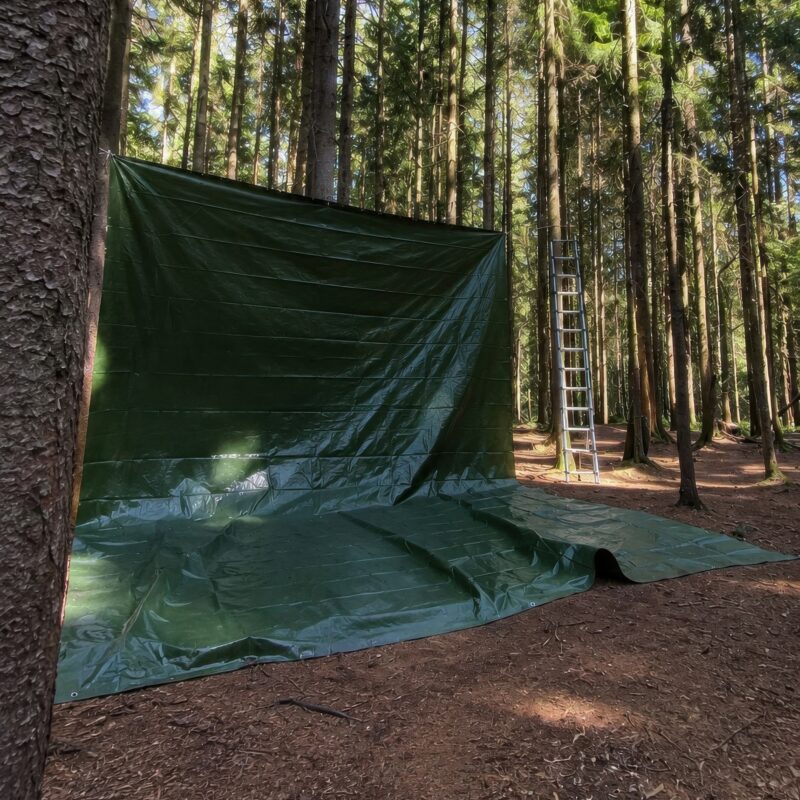
While I was struggling with this puzzle, I realized something: when building in a forest, it’s often better to use several smaller tarps instead of one large one.
Instead of a single 26×20 ft tarp, we could have used six 10×10 ft tarps and probably finished the job in less than an hour.
The Most Important Lesson
To be honest, this event was similar to the first one in one important way: we still managed to execute fewer ideas than we originally planned, even though the team was working very hard.
There still weren’t enough volunteers, several people dropped out after the first event, and the core team hadn’t fully recovered.
The takeaway is simple: make sure your team gets enough rest between events and don’t try to do too much.
